Expert Heating and Cooling Start Here
HVAC Frequently Asked Questions and Answers for Energy Savings and Maintenance
How Can Proper HVAC Operation and Maintenance Save on Utility Costs?
With proper operation and maintenance, you will not only receive the highest possible efficiency from your existing air conditioner but will also save money. Nearly 65% of the average household’s monthly utility costs come from heating and cooling. Routine upkeep helps your system run efficiently, reduces strain on components, and extends equipment lifespan.
At the beginning of the cold season, replace your furnace filter and continue checking it monthly. A clean filter improves airflow and efficiency. Keep the area around your furnace clean and free of debris, and ensure the vent area on the furnace cover remains unobstructed to allow proper air circulation.
What Are Essential Furnace Maintenance Steps for Homeowners?
Make sure all supply vents and return air vents are open and clear of furniture or debris. Check motor operation and inspect belts for wear or cracking, replacing them if needed. Test the thermostat by turning it off and back on to confirm it responds correctly.
Inspect circuit breakers connected to the furnace to ensure none have tripped. Reset them if necessary. Check the furnace filter to confirm it is clean and installed properly. If your system has a pilot light, make sure it is lit. If the pilot light will not ignite or stay lit, it is best to contact a qualified HVAC professional.
What Should I Know About Air Conditioner Refrigerant and Electrical Controls?
Low refrigerant levels can occur after heavy summer use, but they may also indicate a refrigerant leak. Simply adding refrigerant without repairing the leak is not a permanent solution. A licensed technician should locate and repair the leak, test the system, and then recharge it to the manufacturer’s specifications.
Frequent cycling of an air conditioner can cause excessive wear on compressor and fan controls, a common issue with oversized systems. Electrical components may also suffer from corrosion over time. During professional maintenance, all wiring, terminals, and electrical connections should be inspected and serviced as needed.
How Do I Maintain and Clean AC Coils and Fins?
The aluminum fins on evaporator and condenser coils are delicate and can bend easily, restricting airflow. HVAC supply stores sell a tool called a fin comb that can help straighten bent fins and restore proper airflow.
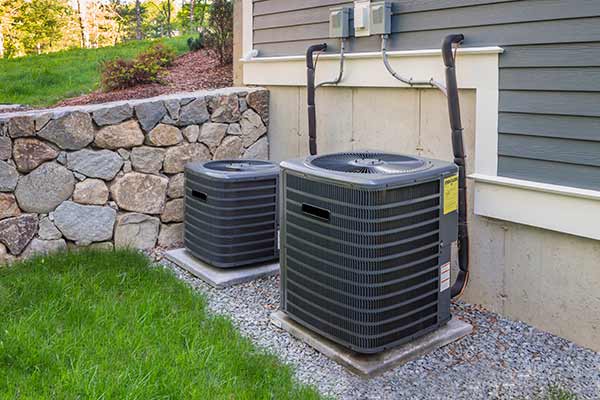
To maintain efficiency, keep the outdoor condenser unit clear of leaves, dirt, and debris. Gently clean the coils using a soft brush or low-pressure water spray. Avoid using high pressure, which can damage the fins. Indoor evaporator coils should be inspected and cleaned by a professional during routine maintenance.
How Often Should HVAC Systems Be Professionally Serviced?
Most HVAC systems should be professionally serviced at least once per year. Ideally, furnaces should be inspected before the heating season begins, and air conditioners should be serviced before summer. Regular maintenance helps identify small issues early, improves energy efficiency, and reduces the likelihood of unexpected breakdowns.
When Should I Call a Professional HVAC Technician?
You should contact a professional if your system is making unusual noises, producing weak airflow, cycling frequently, failing to maintain consistent temperatures, or causing unexplained increases in energy bills. Issues involving refrigerant, electrical components, gas connections, or repeated system shutdowns should always be handled by a licensed technician.
Can Routine HVAC Maintenance Extend Equipment Life?
Yes. Routine maintenance reduces wear and tear on system components, allowing your HVAC equipment to operate under optimal conditions. Clean filters, proper airflow, correct refrigerant levels, and well-maintained electrical components all contribute to a longer system lifespan and more reliable performance.
What Are Simple Energy-Saving Tips for Heating and Cooling?
In addition to regular maintenance, homeowners can save energy by using programmable or smart thermostats, sealing air leaks around doors and windows, keeping vents unobstructed, and changing filters regularly. Maintaining consistent thermostat settings and avoiding extreme temperature changes also helps reduce system strain and energy consumption.