



Ensuring Fireplace Safety in Charlottesville: Practical Tips and Professional Help
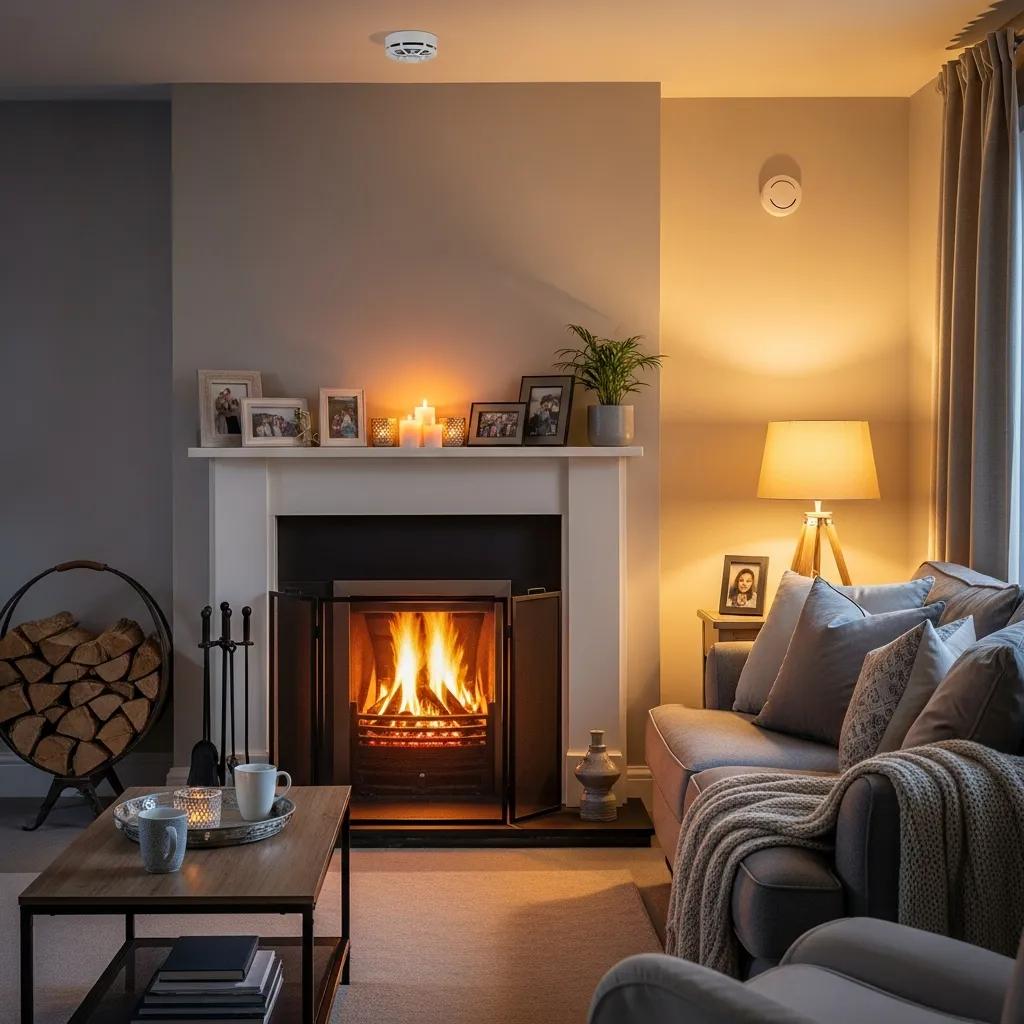
Keeping your fireplace safe protects your home from heat, embers, smoke and carbon monoxide while letting you enjoy the warmth and atmosphere it provides. This guide walks Charlottesville homeowners through practical safety steps for both wood-burning and gas fireplaces, and explains when the job is a homeowner task and when you should call a pro. Beyond fireplaces, ensuring your entire home’s heating system is safe and efficient, including considering modern solutions like radiant floor heating, is key to year-round comfort. Many incidents come from creosote buildup, blocked flues, poor ventilation, or missing detectors — following clear prevention steps cuts risk and improves efficiency. Read on for a simple safety checklist, timing for inspections and chimney cleaning, gas-fireplace emergency steps, wood-fire best practices, and recommended devices and upgrades like Fireplace Guardian Filters. We also point to local professional options so you’ll know when to schedule service.
What a practical fireplace safety plan looks like for Charlottesville homes
A good fireplace safety plan sets easy rules for use, inspection, and emergency response so you avoid fires, smoke damage, and carbon monoxide exposure. It focuses on fuel quality, ventilation (damper, flue, chimney cap), and the right detectors and barriers. The result is a safer, more efficient fireplace with predictable maintenance and clear triggers for professional help. Below is a short checklist you can use right away to lower risk and establish when to call an inspector.
This checklist lists repeatable steps that form the backbone of a household safety plan and leads into why annual professional inspections are recommended.
- Check smoke and CO alarms and visible vents monthly — keep working detectors near bedrooms and the fireplace.
- Burn only properly seasoned wood in wood fireplaces; follow manufacturer instructions for gas units.
- Keep furniture and flammable items back at recommended clearances and always use a certified fireplace screen or glass doors.
- Look into the firebox and visible flue for soot, strange smells, or signs of animals; schedule a cleaning if you see heavy black creosote or persistent smoke.
- Keep the hearth tidy, dispose of fully cooled ashes in a metal container, and have a household-rated fire extinguisher nearby.
Following these steps lowers immediate risk and gives clear conditions for when to escalate to a professional inspection or cleaning.
Core safety parts: creosote, CO detectors, ventilation, and choosing the right firewood
Creosote is a sticky, flammable residue that forms when smoke cools on flue surfaces; if it builds up it can ignite and cause chimney fires. Carbon monoxide is an odorless, colorless gas from incomplete combustion — working CO detectors in living and sleeping areas catch dangerous levels before people feel symptoms. Good ventilation — a functioning damper and clear flue and vents — moves combustion byproducts outside and prevents smoke from backing into the room. Burning properly seasoned, low-moisture wood reduces smoke and creosote because dry wood burns hotter and cleaner, so you’ll see less soot and need cleaning less often.
Creosote’s flammable nature makes it a common cause of chimney fires — a hazard professionals warn about. Knowing these elements explains why routine checks matter and leads into how often professionals should inspect your chimney.
Why annual inspections are important for Charlottesville homes
An annual chimney and fireplace inspection checks structure, creosote levels, flue condition, and venting so problems are caught before they become dangerous. Experts recommend yearly checks because seasonal use — especially in cold months — increases creosote buildup, risk of animal entry, and wear. A pro can find issues you can’t see from the hearth, like cracked flue liners, missing caps, or hidden creosote, and they’ll give a written report with prioritized fixes. If you’ve had heavy use, noticed smoke backing into the room, or suspect animals in the chimney, schedule an inspection sooner rather than later.
Regular inspection planning leads to deciding when to clean and what a technician will inspect during the visit.
When to schedule a fireplace inspection and chimney cleaning
Plan a professional chimney inspection at least once a year and book cleaning when use patterns or conditions raise creosote or damage risk. Yearly inspections reveal hidden hazards; cleaning frequency depends on how often you use the fireplace, the fuel you burn, and how the flue looks. Below is a practical guide so you can match your fireplace type to the right inspection schedule.
| Chimney/Fireplace Type | Recommended Inspection Frequency | Recommended Triggers |
|---|---|---|
| Occasional-use wood fireplace | Annual inspection; clean as needed | Visible soot, odors, or smoke backing into the room |
| Regular-use wood fireplace | Annual inspection; cleaning every year or when creosote reaches Stage 2 | Heavy daily use during winter |
| Gas fireplace (direct vent) | Annual inspection and vent check | Pilot trouble, unusual smells, or CO alarm activation |
| Pellet or manufactured fireplace | Annual inspection and manufacturer-recommended service | Feed system issues or unexpected smoke |
This frequency guide helps homeowners plan inspections responsibly and sets expectations for what technicians will check.
What a professional chimney inspection covers
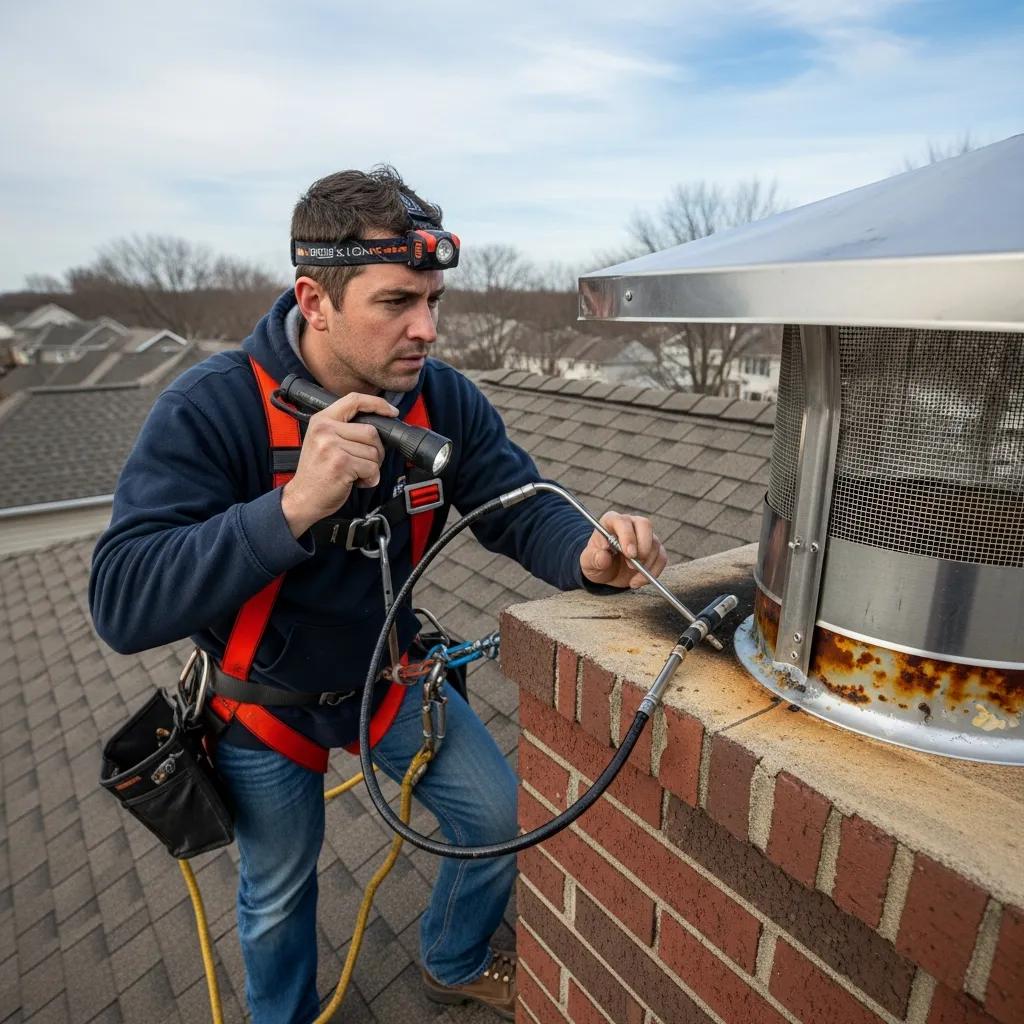
Inspectors typically work to defined levels: Level 1 is a basic visual check for homes with no known changes; Level 2 includes roofline and flue access and is required after alterations or incidents; Level 3 is an invasive exam when serious hazards are suspected. During the inspection they evaluate the damper, flue liner, chimney cap, masonry, creosote levels, vent connectors, and signs of animal nests or structural wear. You get a clear report that lists findings, safety priorities, and recommended cleaning or repairs, plus timeline and cost guidance to help you decide next steps.
Understanding the inspection scope makes it easier to plan creosote removal and repairs.
How often should creosote be removed and what happens during cleaning?
Creosote removal depends on how completely the fuel burns, wood moisture, and how often you use the fireplace. Dry, seasoned wood and hot, efficient fires reduce buildup; cool, smoldering fires create more creosote. Technicians remove creosote with brushes, scrapers and vacuums and typically inspect the flue afterward to confirm clearance. In severe cases they may suggest chemical treatments or mechanical rotary cleaners. Many pros recommend cleaning when creosote reaches a hazardous stage or after a heavy-use season. After cleaning you should receive a report and guidance on fuel and burning habits and when to schedule the next service.
Below is a short table summarizing common use patterns and suggested cleaning intervals.
| Use Case | Attribute | Value |
|---|---|---|
| Light / infrequent wood use | Cleaning interval | Every 2+ years or as needed |
| Moderate / seasonal use | Cleaning interval | Annually |
| Heavy / daily use | Cleaning interval | Every 6–12 months |
| Smoldering / poor combustion | Recommended action | Clean promptly; fix fuel or draft issues |
This comparison helps you decide when to call a technician for creosote removal and what to expect from the service.
Jones Heating & Air offers comprehensive fireplace inspections and chimney cleaning for Charlottesville-area homes. Our technicians perform Level 1 and Level 2 inspections, remove creosote, and advise on vent and cap issues. Beyond fireplaces, we also specialize in professional heating installation, including modern, efficient solutions like radiant floor heating, to ensure your entire home stays comfortable and safe. If you see smoke backing in, heavy soot, or signs of animals, or if you’re considering a new heating system, request an inspection or consultation — it ties your household safety plan to professional remediation when homeowner checks show a problem.
Keeping gas fireplaces safe: CO detectors, ventilation, and routine care
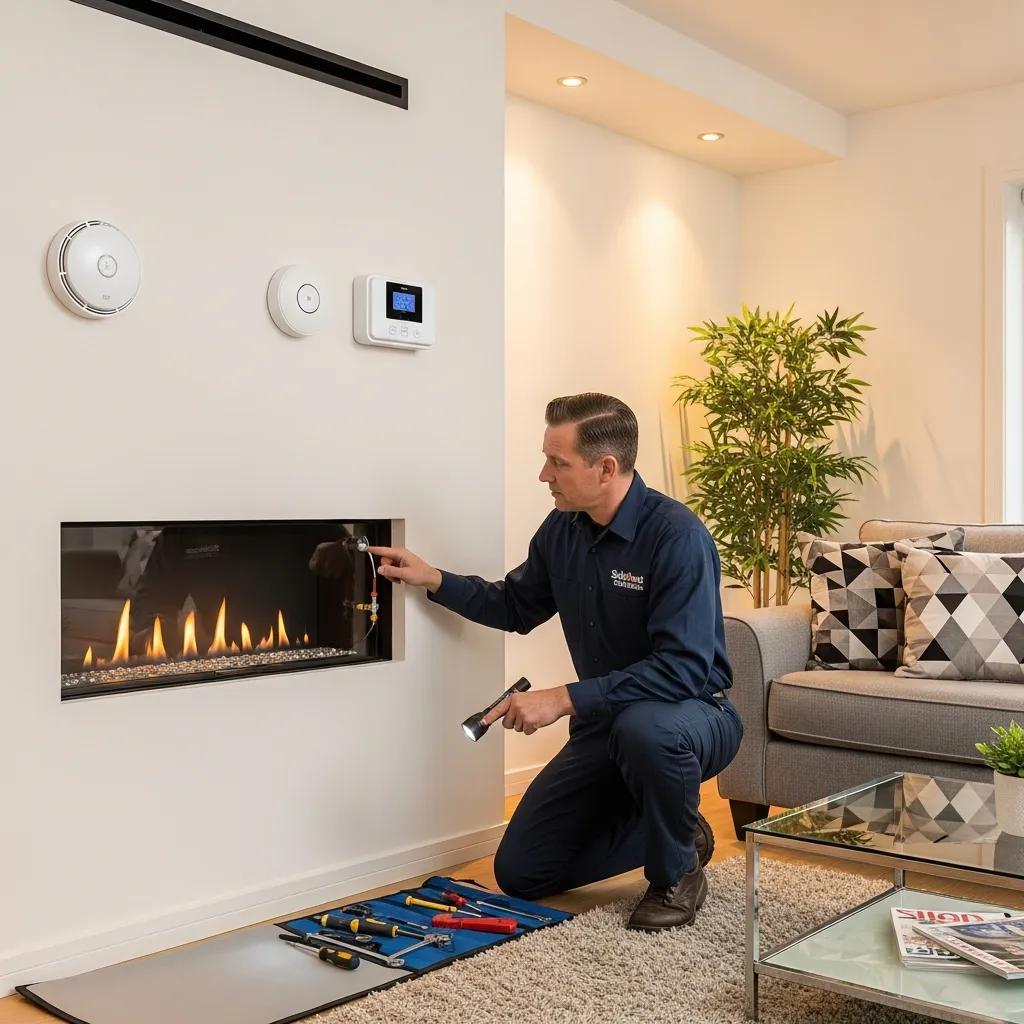
Gas fireplaces need attention to combustion safety, venting integrity, and detector placement to prevent carbon monoxide incidents and leaks. Proper CO detector placement and routine vent checks help catch incomplete combustion or venting failures before people feel symptoms. Regular maintenance — checking pilot parts, seals, vent connectors, and combustion air paths — lowers risk and keeps the appliance efficient. The steps below explain what homeowners can watch for and when to call a technician right away.
Gas leak signs, venting rules, and pilot light safety
Look for signs of gas or vent problems: a sulfur-like smell, hissing near connections, soot around the unit, unstable flames, or repeated pilot outages. Vents must stay clear and meet the manufacturer’s sizing so combustion byproducts can exit; blocked vents, missing caps or animal nests reduce flow and raise CO risk. Pilot safety means clean pilot orifices, a steady flame shape, and intact pilot assemblies — don’t attempt complex repairs on sealed or direct-vent systems yourself. If you see these signs, shut the appliance off and follow emergency steps while contacting qualified service.
What to do if you smell gas or a CO alarm sounds
If you smell gas or the carbon monoxide alarm goes off, act immediately: evacuate the house, avoid flipping switches or lighting anything, and call emergency services and your gas company from a safe location. Don’t go back inside until pros confirm it’s safe. After clearance, schedule a follow-up inspection of the fireplace, vents, and gas lines, and record times and symptoms to help the technician diagnose the issue. For non-emergency odors, shut off the appliance at the gas valve, ventilate if it’s safe, and contact a qualified technician to check seals and connections.
- Evacuate everyone immediately and move to fresh air away from the building.
- From outside, call emergency services and your gas utility to report the leak or alarm.
- Do not return until responders and a qualified technician confirm it is safe.
This simple emergency checklist gives clear steps homeowners can follow in a stressful situation.
Protecting wood-burning fireplaces: seasoned wood, storage, ash disposal, and preventing creosote
Keeping a wood-burning fireplace safe centers on fuel selection, storage, hearth care, and ember containment to limit creosote and ignition risk. Well-seasoned hardwood with low moisture burns hotter and cleaner, which lowers creosote and boosts heat output. Stack wood under cover and off the ground to keep it dry. Let ashes cool completely, store them in a metal container with a lid, and dispose of them safely. Use screens or tempered glass to contain embers and protect children and pets, and aim for hot, controlled fires to reduce creosote buildup.
| Wood Type / Storage | Moisture Content | Recommended Practice |
|---|---|---|
| Well-seasoned hardwood | <20% | Store covered and off the ground; lowest creosote risk |
| Softwood / mixed | 20–30% | Use sparingly; expect more frequent cleaning |
| Recently cut (green) wood | >30% | Do not burn until seasoned 6–12 months |
| Enclosed, covered stack | N/A | Allow airflow; keep off soil to avoid dampness |
Choosing seasoned wood and storing it correctly
Seasoned wood has been dried until its moisture content is roughly 20% or less — you can check with a moisture meter or look for cracks and lighter weight. Store wood off the ground, covered on top but open on the sides for airflow, and avoid stacking it against your home to reduce pests and damp transfer. Buying locally split, well-seasoned hardwood reduces smoke and improves burn efficiency. Regularly burning properly seasoned wood is one of the best ways to cut chimney-cleaning frequency and fire risk.
Research supports that low-moisture firewood lowers creosote formation and improves fireplace safety. Correct wood choice and storage lead into safe ash handling and ember containment, below.
Safe ash disposal and using screens to stop embers
Wait at least 48 hours after a fire to be sure ashes are fully cool. Move them to a metal container with a tight lid and store that container outside and away from anything flammable until final disposal. Never put warm ashes in plastic or cardboard, and don’t set ash containers on wood decks or next to flammable siding. Fireplace screens and tempered glass doors stop flying embers and radiant heat from reaching nearby furniture; pick screens rated for your fireplace’s heat and make sure they fit well. Combined, careful ash disposal and proper ember barriers significantly lower accidental fire risk and keep kids and pets safer.
Those habits lead into devices and upgrades that further reduce risk.
Which safety devices and upgrades help prevent fires?
The right devices reduce fireplace risks by warning you about combustion byproducts, keeping animals and debris out, and capturing particulates before they reach living spaces. Smoke and CO detectors give early warning, chimney caps and spark arrestors block animals and sparks, and Fireplace Guardian Filters can limit particulates entering ducts or rooms. Beyond fireplace-specific items, considering upgrades to your overall heating system, such as a new heating installation or the comfort of radiant floor heating, also contributes significantly to home safety and efficiency. Choosing professional-grade devices and using professional installation when needed helps ensure correct placement and long-term performance. The table below compares common safety devices so you can prioritize upgrades.
This comparison helps you decide what to install now and what to have a pro fit.
| Device | Purpose | Recommended Placement / Maintenance |
|---|---|---|
| Smoke alarm | Detects smoke & fire | Ceiling or high on wall outside sleeping areas; test monthly; replace every 10 years |
| Carbon monoxide detector | Detects CO | On each level near sleeping areas; test monthly; follow manufacturer replacement schedule |
| Chimney cap / spark arrestor | Blocks animals & sparks | Top of chimney; inspect annually and replace if damaged |
| Fireplace Guardian Filter | Captures particulates | Installed at flue or duct transition; check during annual service |
Detector installation, testing, and upkeep
Put smoke detectors on every level, inside and outside sleeping areas, and place CO detectors near bedrooms and on each floor so you get fast alerts. Test them monthly, change batteries as advised, and replace units per the manufacturer’s timeline to keep them reliable. Consider hardwired or monitored systems for added protection and remote alerts. Keep detectors unobstructed so smoke and CO can reach them, and keep them clean of dust. For hardwired or integrated systems, professional installation ensures correct placement relative to fireplaces and vents.
Dependable smoke and CO detectors are widely recognized as a primary defense against fires and carbon monoxide exposure in homes. Reliable detectors make other upgrades — like chimney caps and filters — more effective, as described next.
Chimney caps, spark arrestors, and Fireplace Guardian Filters: when to upgrade
Jones Heating & Air stocks and installs chimney caps, spark arrestors, and Fireplace Guardian Filters. Our technicians will recommend the right combination for your fireplace type and usage. We also provide expert heating installation services, including modern options like radiant floor heating, to enhance your home’s comfort and energy efficiency. Ask for an upgrade evaluation or a heating system consultation during your inspection to combine inspection, cleaning, and installation in one visit.
Conclusion
Taking practical steps and scheduling regular inspections greatly lowers the risk of fire and carbon monoxide exposure from your fireplace. Beyond fireplace care, considering your overall home heating system, including professional heating installation and modern solutions like radiant floor heating, ensures year-round comfort and safety. Follow the checklist, maintain detectors and vents, and call a trusted technician when you see warning signs or are ready for an upgrade. Don’t wait — proactive care keeps your home safer and your heating systems working better. Contact us for comprehensive inspections, installations, and upgrades that fit your needs.