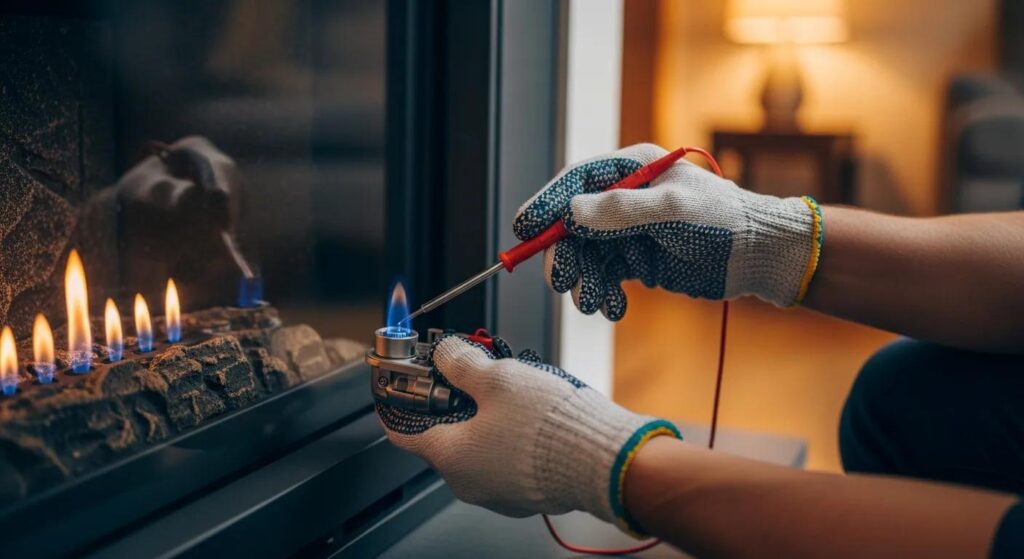
Fix Your Gas Fireplace Ignition Today
Gas fireplaces provide warmth and ambiance, but ignition issues can be frustrating for homeowners like you, our valued client. At Jones Heating and Air Conditioning, we understand how important it is to have a reliable fireplace, and we want to help you troubleshoot and fix any ignition problems quickly. This article will guide you through the common reasons why your gas fireplace may not ignite, explain the roles of components like the pilot light and thermocouple, and share safe methods for relighting the pilot light. We will also let you know when it’s best to call us for professional help and how to recognize signs of a faulty igniter. By the end of this guide, you’ll be equipped with the knowledge to address ignition problems effectively with our support.
Why Won't My Gas Fireplace Ignite? Common Causes Explained
There are several reasons why your gas fireplace may fail to ignite, ranging from simple issues to more complex mechanical failures. Common causes include pilot light problems, ignition system malfunctions, and dirty flame sensors. Each of these issues can prevent your fireplace from functioning properly, leading to a lack of heat and comfort in your home. Understanding these causes is the first step in troubleshooting ignition problems effectively, and we are here to assist you every step of the way.
How Do Pilot Light Issues Affect Fireplace Ignition?
The pilot light is a small flame that ignites the gas in your fireplace. If the pilot light goes out, your fireplace will not ignite. This can happen due to a draft, a malfunctioning thermocouple, or a clogged pilot orifice. Regular maintenance of the pilot light is crucial, as it ensures that your fireplace operates safely and efficiently. If the pilot light is not lit, it is essential to address this issue before attempting to use the fireplace, and we can guide you through this process or handle it for you.
What Role Does the Thermocouple Play in Ignition Failure?
The thermocouple is a safety device that detects whether the pilot light is lit. If the pilot light goes out, the thermocouple will shut off the gas supply to prevent leaks. A malfunctioning thermocouple can lead to ignition failure, as it may incorrectly signal that the pilot light is out. Understanding the function of the thermocouple is vital for diagnosing ignition issues and ensuring the safe operation of your gas fireplace. If you suspect a thermocouple problem, we recommend contacting us for a professional inspection.
How Can I Troubleshoot and Relight a Gas Fireplace Pilot Light Safely?

Relighting a gas fireplace pilot light can be done safely by following these steps:
- Turn Off the Gas: Ensure the gas supply is turned off and wait for a few minutes to allow any residual gas to dissipate. This step is crucial to prevent accidental ignition of accumulated gas.
- Locate the Pilot Light: Find the pilot light assembly, which is usually near the main burner. Familiarizing yourself with its location helps in safely performing the relighting process.
- Follow Manufacturer Instructions: Refer to your fireplace’s manual for specific relighting instructions, as they may vary by model. Adhering to these guidelines ensures safe and proper operation.
- Use a Long Lighter: Light a long lighter and hold it near the pilot light opening while turning the gas back on. This method keeps your hands at a safe distance from the flame.
- Observe the Flame: Once lit, the pilot light should burn steadily. If it goes out again, further troubleshooting may be necessary to identify underlying issues.
If you prefer professional assistance, we at Jones Heating and Air Conditioning offer specialized fireplace services in Salt Lake City, UT, to ensure safe and effective operation. We are here to help you keep your fireplace running smoothly.
What Are the Step-by-Step Instructions for Pilot Light Troubleshooting?
When troubleshooting pilot light issues, we recommend following these detailed steps:
- Inspect the Pilot Light: Check if the pilot light is lit. If not, proceed to relight it carefully. A pilot light that is not lit is the most common cause of ignition failure.
- Clean the Flame Sensor: A dirty flame sensor can prevent the pilot light from staying lit. Clean it gently with a soft cloth to remove any soot or debris that may interfere with its function.
- Check for Gas Supply: Ensure that the gas supply is turned on and that there are no obstructions in the gas line. A disrupted gas flow can prevent ignition and pose safety risks.
- Examine the Thermocouple: If the pilot light won’t stay lit, the thermocouple may need to be replaced. This component is essential for detecting the pilot flame and controlling gas flow.
- Consult a Professional: If these steps do not resolve the issue, it may be time to call one of our technicians at Jones Heating and Air Conditioning for further diagnosis. Our professional expertise can prevent potential hazards and costly repairs.
When Should I Avoid Relighting the Pilot Light Myself?
There are specific situations where you should avoid relighting the pilot light yourself:
- Signs of Gas Leaks: If you smell gas or hear a hissing sound, do not attempt to relight the pilot light. Evacuate the area immediately and contact us at Jones Heating and Air Conditioning for emergency assistance. Gas leaks are dangerous and require professional handling.
- Unusual Sounds: If you hear popping or clicking noises, it may indicate a more serious issue that requires expert attention. Ignoring these sounds can lead to malfunction or safety hazards.
- Persistent Issues: If the pilot light continues to go out after multiple attempts to relight it, seek professional help from our team to diagnose the underlying problem. Repeated failures often signal a deeper mechanical or gas supply issue.
What Are the Signs of a Faulty Fireplace Igniter and How Is It Repaired?

A faulty igniter can manifest through several signs, including:
- Clicking Sound Without Flame: If you hear the igniter clicking but do not see a flame, it may be defective. This indicates that the igniter is attempting to spark but failing to ignite the gas.
- Delayed Ignition: A slow ignition process can indicate that the igniter is not functioning properly. This delay can cause inconvenience and may signal a need for repair or replacement.
- Visual Damage: Inspect the igniter for any visible signs of wear or damage. Cracks, corrosion, or soot buildup can impair its performance and safety.
Repairing a faulty igniter typically involves replacing the igniter assembly. This process can be complex, so we advise you to consult our professional technicians at Jones Heating and Air Conditioning for assistance. Our expertise ensures the repair is done safely and correctly.
How to Diagnose Igniter Problems in Gas Fireplaces
Diagnosing igniter problems involves several steps:
- Check the Gas Supply: Ensure that gas is flowing to the igniter. Without adequate gas flow, the igniter cannot function properly.
- Inspect the Ignition System: Look for any signs of damage or wear in the ignition components. Damaged parts can prevent successful ignition and may require replacement.
- Test the Igniter: Use a multimeter to check for continuity in the igniter circuit. This test helps determine if the igniter is electrically sound.
- Look for Signs of Wear: Examine the igniter for any physical damage that may affect its performance. Regular inspection can prevent unexpected failures.
If you are unsure about the diagnosis, contacting us at Jones Heating and Air Conditioning can save time and ensure safety. Our professional technicians are trained to handle complex ignition issues efficiently and effectively.
When Is It Time to Call a Professional for Gas Fireplace Repair?
Knowing when to call a professional is crucial for maintaining safety and efficiency. Consider contacting Jones Heating and Air Conditioning if you notice:
- Gas Leaks: Any signs of gas leaks should be addressed immediately by a professional. Prompt action can prevent dangerous situations and protect your home.
- Persistent Ignition Issues: If troubleshooting does not resolve the problem, expert assistance is necessary. We have the tools and knowledge to diagnose and fix complex issues.
- Complex Repairs: For repairs involving the gas line or major components, professional help is essential to ensure safety. Attempting such repairs without expertise can be hazardous.
To ensure your fireplace operates efficiently and safely, consider exploring our HVAC maintenance plans offered by Jones Heating and Air Conditioning in Salt Lake City, UT. Regular maintenance with us can prevent many common issues and extend the life of your appliance.
What Safety Tips Should I Follow When Operating a Gas Fireplace?
Operating a gas fireplace safely involves several key practices:
- Install CO Detectors: Ensure that carbon monoxide detectors are installed and functioning in your home. These devices alert you to dangerous gas levels and are essential for safety.
- Check Ventilation: Proper ventilation is essential for safe operation. Regularly inspect vents for blockages to prevent the buildup of harmful gases.
- Routine Maintenance: Schedule regular maintenance checks with us at Jones Heating and Air Conditioning to ensure that all components are functioning correctly. Preventative care reduces the risk of malfunctions.
Following these safety tips can help prevent accidents and ensure a safe environment for your family.
How to Identify and Respond to Gas Leaks and Other Hazards?
Identifying and responding to gas leaks is critical for safety. Here are steps to take:
- Immediate Action: If you smell gas, evacuate the area immediately and avoid using any electrical devices. This reduces the risk of ignition and protects everyone in the vicinity.
- Avoid Ignition Sources: Do not light matches or use lighters in the vicinity of a gas leak. Even a small spark can cause an explosion.
- Follow-Up Inspection: After evacuating, contact us at Jones Heating and Air Conditioning to inspect the area and address the leak. Our professional evaluation ensures the problem is resolved safely.
By understanding these safety measures, you can protect your home and family from potential hazards associated with gas fireplaces.
If you’re considering upgrading your current system or need assistance with HVAC products, exploring available options with us at Jones Heating and Air Conditioning can enhance your home’s comfort and efficiency.
Get Expert Help with Your Gas Fireplace Today
Don’t let ignition problems leave you in the cold. Contact us at Jones Heating and Air Conditioning in Salt Lake City, UT, for professional fireplace repair and maintenance services. Our experienced technicians are ready to ensure your gas fireplace operates safely and efficiently all year round. Schedule Your Service Now.